

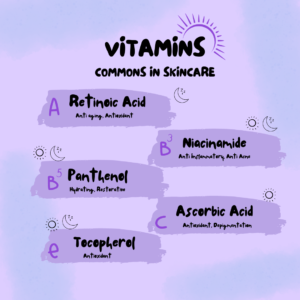
In an era where health-consciousness is on the rise it’s not uncommon to find ourselves meticulously planning meals and choosing supplements with the hope of achieving optimal health. Despite these efforts, many of us still find ourselves feeling less than vibrant, leading us to question whether we’re missing out on essential vitamins. This article delves into four often overlooked reasons that might be hindering your journey to a well-nourished life, and offers practical tips to address these gaps.
1. Limited Dietary Variety
One of the primary hurdles in achieving a vitamin-rich diet is the lack of diversity in our daily meals. It’s easy to become a creature of habit, but this can lead to nutritional deficiencies.
Why Variety Matters
The rainbow of foods available to us each offers unique nutritional benefits. For example, while leafy greens are celebrated for their vitamin K and iron content, citrus fruits are a famous source of vitamin C.
Tips to Increase Dietary Diversity
- Challenge yourself to try a new vegetable or fruit each week.
- Incorporate a variety of protein sources, alternating between plant-based options like chickpeas and traditional choices like lean meats.
- Explore international cuisines, which often utilize a broad spectrum of spices and ingredients that can enrich your diet with vitamins you might otherwise miss.
2. Poor Absorption
Even with a perfect diet on paper, various factors can impair your body’s ability to absorb these nutrients effectively.
Common Absorption Blockers
- Medications: Some over-the-counter medications and prescriptions, including antacids and certain antibiotics, can decrease nutrient absorption.
- Health Conditions: Autoimmune diseases like Crohn’s disease disrupt nutrient uptake due to inflammation in the digestive tract.
Enhancing Nutrient Absorption
- Combine nutrient-dense foods wisely; for instance, eating vitamin C-rich foods alongside iron-rich foods can improve iron absorption.
- Discuss any medications with your healthcare provider to understand their impact on nutrient absorption, and consider alternatives if necessary.
- Supplements like probiotics might help enhance digestion and nutrient uptake, but consult with a healthcare professional before starting any new supplement regimen.
3. Lifestyle Factors
Daily habits and lifestyle choices play a significant role in determining nutrient levels in the body.
Lifestyle Impacts on Vitamin Levels
- Smoking introduces free radicals into the body, ramping up the use of protective vitamins like vitamin C.
- Alcohol can drastically inhibit the absorption and effectiveness of B vitamins.
- Stress elevates the body’s need for certain nutrients, including magnesium and B vitamins, to manage hormonal and metabolic changes.
Adjusting Lifestyle for Better Health
- Aim to quit smoking and moderate alcohol consumption.
- Engage in stress management practices such as mindfulness or physical activity.
- Prioritize sleep, aiming for 7-9 hours per night to aid in cellular repair and regeneration.
4. Over-reliance on Processed Foods
In our fast-paced world, convenience often wins, and this can mean choosing more processed foods that are low in essential nutrients.
The Problem with Processed Foods
- Important vitamins can be lost in the process of food manufacturing.
- Preservatives and additives in processed foods can further impede vitamin absorption.
Choosing Whole Over Processed
- Make a shift towards whole foods, which contain higher levels of nutrients.
- Read food labels diligently to minimize the consumption of artificial additives.
- Cooking at home can help ensure that you’re eating fresh and nutrient-packed meals.
Conclusion
Understanding the hidden reasons why you might not be getting enough vitamins is the first step toward nutritional recovery. Through increasing dietary variety, improving nutrient absorption, adjusting lifestyle factors, and embracing whole foods, you can enhance your vitamin intake significantly. Remember, it’s essential to consult with a healthcare professional before making significant changes to your diet or lifestyle, especially if you have underlying health conditions. Start making informed choices today for a healthier tomorrow!
Callout: “Nutrition is the foundation of disease prevention. Diversifying your diet can significantly amplify your health.” — Remember to consult with a healthcare provider to tailor a plan that fits your unique needs.



Leave a reply